Source Disco Ball Options for DJ Parties, Nightclubs, and Stage Events
Find 30 Disco Ball listings from Chinese manufacturers, comparing materials like plastic, PVC, and glass. Evaluate specifications such as diameter and mirror size to select suitable lighting for indoor disco, DJ parties, and celebration events.
Key considerations
Products List

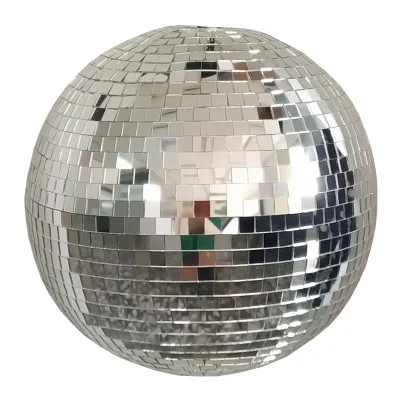


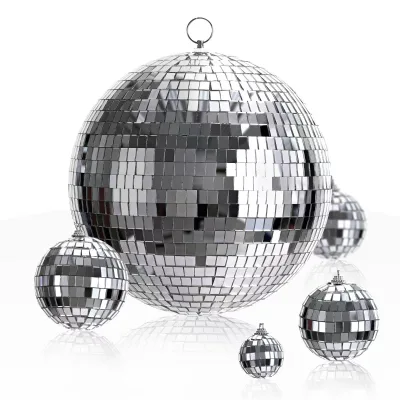


Christmas Decoration Disco Ball Party Decoration Christmas Gift Christmas Products
$0.80 - $1.00
MOQ: 1500 Pieces


Comprehensive Sourcing Guide
Disco Ball Sourcing Guide
Sourcing disco balls for B2B clients requires a nuanced understanding of both aesthetic impact and technical safety, particularly when these items are deployed in high-traffic entertainment venues. The market for these decorative lighting fixtures is diverse, ranging from small-scale party supplies to large-scale stage installations for nightclubs and concert halls. Buyers must navigate a landscape where product attributes vary significantly, including materials such as polyfoam, plastic, glass, and PVC, alongside mirror finishes that define the visual output. The observed product data indicates a wide range of specifications, with diameters extending from small decorative pieces to substantial 50CM units, and model numbers like TS-A014 and SKY-507 representing distinct manufacturing lines. This variability necessitates a rigorous verification process to ensure that the selected Disco Ball meets the specific load-bearing, optical, and electrical requirements of the intended venue.
Furthermore, the commercial terms associated with Disco Ball procurement are heavily influenced by customization levels and order volume. The observed minimum order quantities (MOQ) span from a single piece for sample or small-batch orders up to 5,000,000 pieces for large-scale distribution, reflecting the flexibility of modern manufacturing hubs in Guangdong and Zhejiang, China. Buyers should note that while some listings offer OEM services and custom patterns, others are standardized items with fixed specifications. The presence of certifications such as CE and RoHS in the background data suggests that electrical components, if present, must adhere to European safety standards, although buyers must verify the specific applicability of these certifications to their target market. Understanding these foundational signals is critical for establishing a realistic procurement strategy that balances cost efficiency with quality assurance.
Product Scope and Observed Listing Signals
The product scope for disco balls encompasses a variety of applications, primarily focused on indoor entertainment environments such as discos, DJ parties, nightclubs, stages, bars, and celebration events. The observed data highlights specific use cases, including graduation parties and general event decorations, indicating that these products serve both commercial and private sector needs. The material composition is a key differentiator, with listings specifying polyfoam/plastic, glass, and PVC constructions. For instance, some models utilize a PVC and mirror combination, while others rely on traditional glass mirrors mounted on plastic or polyfoam cores. Buyers must carefully distinguish between these material types, as they impact durability, weight, and the overall aesthetic quality of the light reflection. The color options observed, such as silver and black, further define the visual theme, with silver being the standard for maximum light dispersion and black often used for contrast or specific lighting effects.
Listing signals also reveal important logistical and packaging details that affect the total cost of ownership. Products are typically packed in polybags, PVC boxes, bubble bags, or standard export cartons, with some listings explicitly mentioning the inclusion of repair kits containing carry bags and materials. This attention to packaging suggests a market awareness of the fragility associated with mirror surfaces and the need for protection during transit. The observed model numbers, such as TS-A014 and SKY-507, along with specific dimensions like 1*1cm mirror sizes and 50CM diameters, provide concrete reference points for buyers. However, buyers should be cautious of inconsistent data, such as a product labeled as a "Car Light" within a Disco Ball listing, which may indicate a data entry error or a multi-purpose product line. Verifying the actual product type against the visual and descriptive evidence is essential to avoid procurement errors.
Technical Specifications to Verify
When evaluating technical specifications, the diameter and mirror size are primary considerations that determine the visual impact of the Disco Ball. The observed data includes a diameter of 50CM and a mirror size of 1*1cm, but buyers should verify these dimensions for each specific model, as sizes can range from 25MM to 2000MM according to the provided specifications. The model number, such as TS-A014 or SKY-507, serves as a unique identifier for the manufacturer’s design, and buyers should request detailed technical drawings or photos to confirm the mirror arrangement and core structure. Additionally, the IP rating is a critical technical parameter for any electrical component associated with the Disco Ball, with one observed listing specifying an IP20 rating. This rating indicates protection against solid objects larger than 12.5mm but no protection against water, which is suitable for indoor dry environments but may be insufficient for outdoor or high-humidity venues.
Electrical and lighting design standards are another area requiring strict verification. One observed listing mentions "Lighting and circuitry design" as a standard, implying that some disco balls come with integrated LED lighting or motorized rotation mechanisms. Buyers must confirm the voltage requirements, power consumption, and control methods for these integrated systems. The material composition, whether PVC, glass, or polyfoam, also influences the technical performance, particularly regarding weight and balance. For example, glass mirrors offer superior reflectivity but are heavier and more fragile, while PVC and polyfoam alternatives are lighter and more durable but may have different optical properties. Buyers should request material safety data sheets and technical specifications for the motor and lighting components to ensure compatibility with existing venue infrastructure.
Compliance and Safety Documentation
Compliance and safety documentation are non-negotiable for disco balls, especially those with electrical components or those intended for use in regulated markets. The observed data includes references to CE and RoHS certifications, which are crucial for products sold in the European Union. CE marking indicates conformity with health, safety, and environmental protection standards, while RoHS restricts the use of specific hazardous materials in electrical and electronic products. Buyers must verify that these certifications are valid and applicable to the specific product model, as counterfeit or generic certifications are common in the market. Additionally, the warranty period, observed as 1-Year in some listings, provides a baseline for expected product reliability, but buyers should negotiate warranty terms that cover both manufacturing defects and operational failures.
Safety standards for stage and party equipment also include considerations for fire resistance and structural integrity. While specific fire ratings were not explicitly listed in the observed data, buyers should inquire about the flammability of the materials used, particularly for polyfoam and PVC components. The packaging details, such as the inclusion of repair kits, suggest a focus on long-term usability, but buyers should also verify the availability of spare parts, such as replacement mirrors or motor components. Furthermore, the origin of the product, whether from Guangdong or Zhejiang in China, can influence the quality control processes and compliance documentation provided by the supplier. Buyers should request copies of test reports and certification documents before placing orders to ensure that the products meet the legal requirements of their target market.
Cost Drivers and Commercial Terms
Cost drivers for disco balls are influenced by material quality, customization options, and order volume. The observed MOQ range of 1 to 5,000,000 pieces indicates that pricing can vary significantly based on the scale of the purchase. Small orders may incur higher per-unit costs due to setup fees and lower production efficiency, while large orders can benefit from economies of scale. Customization options, such as OEM services and custom patterns, add to the cost but can provide a competitive advantage for brands seeking unique products. The observed supply ability of 10,000 pieces per month for some models suggests that buyers should plan their orders well in advance to avoid delays, especially during peak seasons for events and parties.
Commercial terms, including payment methods and shipping logistics, also impact the total cost. The observed payment method of T/T (Telegraphic Transfer) is common in international trade, but buyers should negotiate secure payment terms, such as using escrow services or letters of credit, for large orders. The port of dispatch, whether Shenzhen, Guangzhou, or Ningbo, affects shipping costs and lead times. Buyers should consider the proximity of the supplier to major shipping hubs to minimize freight expenses. Additionally, the lead time of 7-15 working days after receiving the order is a critical factor in supply chain planning. Buyers should account for potential delays due to customization, quality control, or logistics issues when scheduling their procurement activities.
Supplier Qualification and Quality Control
Supplier qualification is a critical step in ensuring the reliability and quality of Disco Ball procurement. Buyers should verify the supplier’s business license, manufacturing capabilities, and export experience. The observed data indicates that suppliers are located in Guangdong and Zhejiang, China, which are known manufacturing hubs for party supplies and lighting equipment. Buyers should request factory audits or third-party inspection reports to assess the supplier’s production facilities and quality control processes. The availability of samples, as indicated by the "Welcome" attribute in some listings, allows buyers to evaluate the product quality firsthand before committing to large orders. Buyers should test the samples for durability, reflectivity, and electrical safety to ensure they meet the required standards.
Quality control measures should be established throughout the production process, from raw material inspection to final packaging. Buyers should define clear quality acceptance criteria, including mirror alignment, motor performance, and packaging integrity. The observed packaging details, such as bubble bags and carton boxes, suggest that suppliers are aware of the need for protection during transit, but buyers should verify that the packaging meets their specific requirements. Additionally, buyers should establish a process for handling defects and returns, including clear communication channels with the supplier. Regular communication and follow-up inspections can help identify and resolve issues early in the production process, reducing the risk of receiving substandard products.
Long-Term Procurement Checks
Long-term procurement checks involve monitoring supplier performance, market trends, and product evolution. Buyers should establish key performance indicators (KPIs) for their suppliers, including on-time delivery rates, product quality metrics, and responsiveness to issues. Regular reviews of these KPIs can help identify potential problems and drive continuous improvement. Buyers should also stay informed about market trends, such as new materials, lighting technologies, and design innovations, to ensure that their product offerings remain competitive. The observed data suggests a dynamic market with various models and specifications, so buyers should be prepared to adapt their procurement strategies to changing customer demands.
Sustainability and ethical sourcing are increasingly important considerations in long-term procurement. Buyers should inquire about the supplier’s environmental policies, waste management practices, and labor standards. The use of materials such as PVC and polyfoam raises environmental concerns, so buyers should explore options for more sustainable alternatives or recycling programs. Additionally, buyers should ensure that their suppliers comply with international labor standards and ethical sourcing guidelines. By integrating these considerations into their procurement strategy, buyers can build a resilient and responsible supply chain that supports long-term business success.
FAQs
What materials are used for disco balls?
Disco balls are constructed from polyfoam, plastic, glass, or PVC with mirror surfaces. The specific material depends on the model, such as the TS-A014 which uses polyfoam or plastic, while others may incorporate glass for different lighting effects.
Can I customize the size of the Disco Ball?
Yes, customization is available for various sizes ranging from 25mm to 2000mm or specific dimensions like 50cm. Buyers can request custom sizes such as 0.5, 1, or 1.5 meters depending on the supplier's production capabilities and order requirements.
What is the minimum order quantity for these items?
The minimum order quantity varies significantly by supplier, ranging from 1 piece to 300 pieces or even up to 5 million units. Some vendors accept single items for samples, while others require bulk orders starting at 300 pieces for standard production runs.
How long does it take to receive the order?
Lead times typically range from 7 to 15 working days after the order is received. This duration applies to standard production cycles, though specific timelines may vary based on the supplier's location in Guangdong or Zhejiang and current production capacity.
Which certifications do the products hold?
Products may carry CE certification for lighting and circuitry design standards. While some background data mentions RoHS, the confirmed high-confidence fact is the CE certification, ensuring compliance with specific safety and design requirements for the market.
Where are these disco balls manufactured?
These items originate from China, specifically from regions like Guangdong and Zhejiang. Suppliers in Guangzhou and Shenzhen often handle dispatch, offering convenient logistics for international buyers seeking products from these established manufacturing hubs.
What is the warranty period for the product?
A one-year warranty is provided for the Disco Ball products. This coverage ensures quality assurance for the item, protecting buyers against defects during the specified period following the purchase and delivery of the goods.